
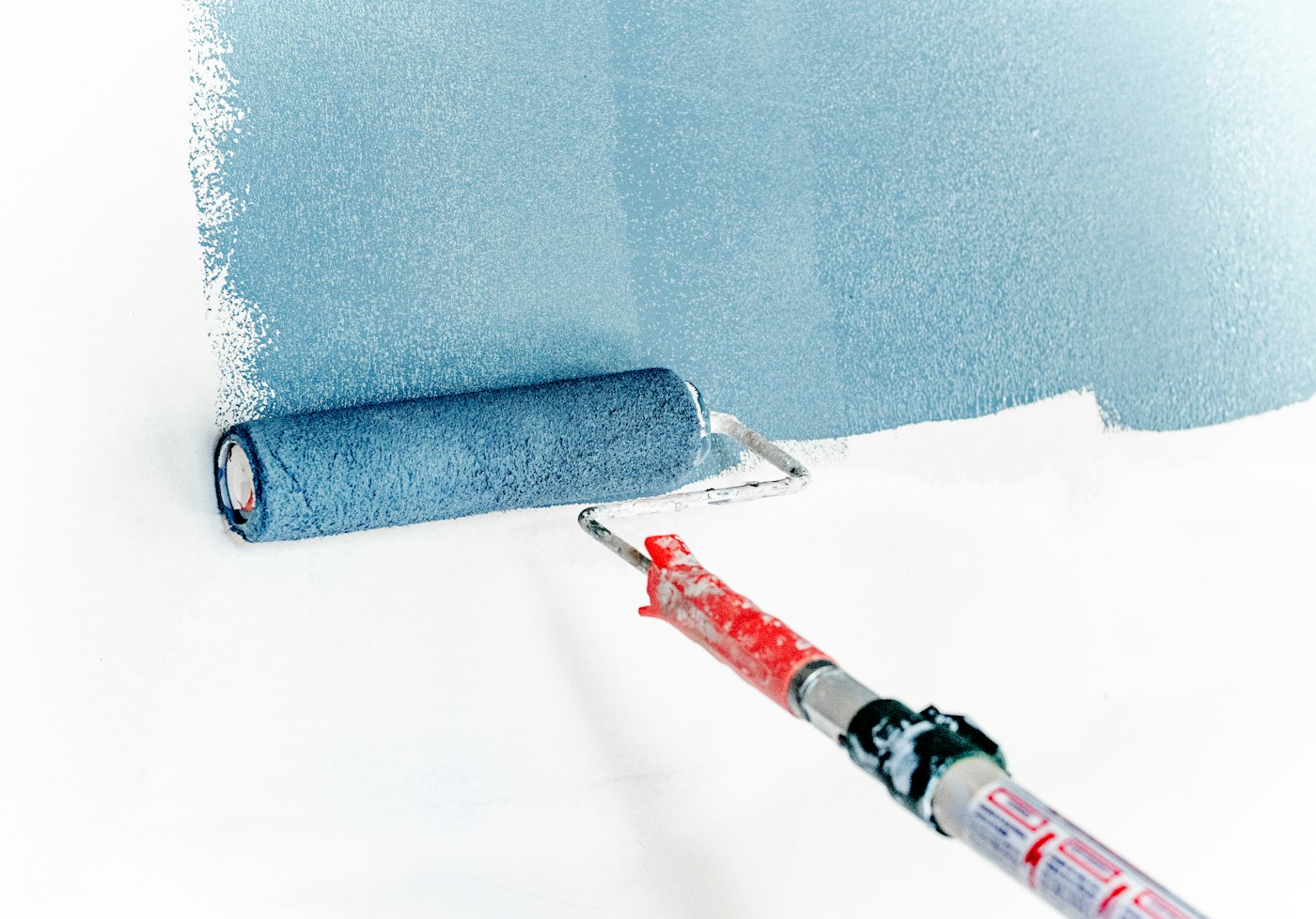
Take a closer look at the existing wall
A new colour can change the feeling of a room, but the project begins with the surface underneath it. Walk through the space and identify which walls and ceilings are included. Note whether the surfaces are new or previously painted, and whether the existing coating is sound, loose, chalking or uneven. These observations help explain the starting point.
If you know the previous coating, record its product name or chemistry. An existing oil-based finish and a sound emulsion finish do not necessarily use the same preparation route. A wall affected by moisture also needs the cause understood before it is treated as an ordinary decorative repaint.
Choose the finish and the preparation route together
Open the technical guide for the proposed paint and check that its intended use covers your substrate. Crown Silk Vinyl Emulsion and Crown Vinyl Luxury Matt Emulsion are interior decorative options with different appearances. The selected product’s instructions should guide the preparation, application and coating sequence.
Preparation normally involves a suitably clean, dry and sound base, with loose material and defects dealt with through the specified system. That does not mean every wall needs the same primer. The manufacturer’s instructions distinguish substrate and previous-coating conditions. Identify the appropriate route before adding a preparation product solely because its name includes “primer” or “undercoat”.
Keep different surfaces on separate lines
Walls, timber trim and metal fittings may sit in the same room while needing different products. Describe them separately in your project notes. A preparation coating documented for new timber or untreated boards should not automatically be treated as the correct masonry primer. Similarly, a decorative wall finish is not a general replacement for a specialist coating.
Keep the finishing product and its documented companion materials together. If the project includes several substrates, organise the request by surface so the combinations can be reviewed. Read each product guide and its manufacturer sheet when planning the system.
Make a simple area and colour plan
Record approximate dimensions for the surfaces you want to paint and note the doors, windows and other openings. Use this as a planning record, then check the selected product’s coverage information and required coats. Roughness, texture and application conditions affect actual material use, so a calculation remains an estimate.
Choose the shade reference and the finish together. Look at how the room is lit and how the proposed colour sits beside floors, furnishings and other surfaces. Use our colour inspiration to explore a direction, then provide a manufacturer colour code for the quotation where possible. The illustrated room is not a manufacturer shade chart.
Turn your notes into a useful enquiry
List the products, verified pack options, requested number of packs and colour references. Use the message to describe the existing surfaces and any preparation questions. Include the destination and timing questions so sourcing and delivery can be checked with the same request.
Start your paint quotation when the list is ready, or talk to KariVex if you need to explain the surface first. Preparation and application should follow the full Crown Silk Vinyl technical sheet or the corresponding manufacturer sheet for your chosen finish.